
 Class of 1993
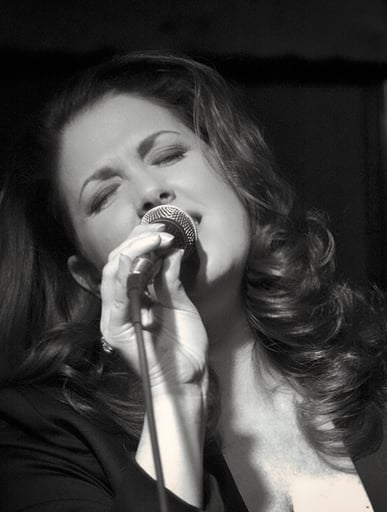
"My vocal coaching is centered on bringing every song and student to life by exploring emotional interpretation, phrasing, breath mechanics, and developing a solid vocal technique. My teaching style is rooted in vocal and breath mechanics, and using those mechanics to inform vocal phonation choices like style, resonance, and pressure. Practicing safe and progressive vocal techniques will allow the student to obtain real technical and artistic growth. I believe that every vocalist can benefit from an ongoing, safe, and consistent vocalise practice."
"My approach is simple: teach each vocalist how to care for their own voice and how to feel what is going on with that voice both physically and mechanically, creating vocal awareness. Once they have consistent vocal awareness, we can then develop 'tools' to help them navigate their voice and to understand how to control, manipulate, and enhance their voice through proven vocal techniques."
"The end goal is to give each singer more tools in the vocal toolbox so that they have more artistic choices, regardless of genre. I coach students in many genres including pop, jazz, Broadway, country, and R&B, but even though vocal techniques may vary slightly from genre to genre, that core technique is the same. Good vocal technique is good vocal technique. Great vocal technique equals unlimited vocal choices.""I'm sharing information with my students that will shorten their search for vocal solutions. The benefit of studying with a performing teacher is that you are the gaining information that only performers can tell you, experiences that only a performing teacher can share with you, so that you don’t have to waste time with trial and error. Simply put, it's faster, it's authentic, and it's immediately applicable. This information includes microphone instruction and teaching continual vocal adaptability to venue, stage, and ensemble, as well as teaching the vocalist how to self-analyze their voice on that day for that particular performance. Each performance is unique, and knowing how to approach that performance and to adapt for that moment is paramount to any vocalist's consistency."
"Once the basic mechanics of vocal practice have been learned and have become a physical and mental habit, the performing vocalist should be performing. Vocal practice is made solid by performance, and performance grants the body and mind the repetition of technique. You need both. The growth of the voice is intrinsically linked to the singers ability to implement those techniques as often and early as possible. A healthy vocal practice is one that is a planned cycle of study and performance."
"Through my 20+ years of teaching, I have developed my own brand of vocal coaching, combining my knowledge and experience with both vocal technique and live performance into a scaleable, safe, vocal practice, personalized for each individual students vocal goals."
"I have a passion for helping vocalists achieve the type of fluidity with their instrument that every singer desires. I believe it's important for all artists to pass along what they know and what they've learned to the next generation. It's imperative that this collective knowledge is shared, and I believe sharing with professionals and students alike is important, that the arts are important, that vocalists are important."